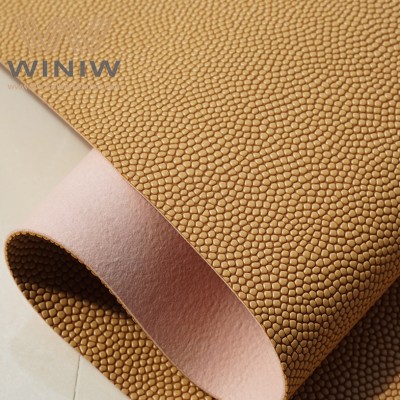
Я знаю, как это неприятно — видеть... Полиуретановый материал Футбольный мяч слишком быстро теряет форму или цвет. Я понял, что с помощью нескольких простых привычек могу защитить свой мяч и сохранить его внешний вид как новый. Я хочу поделиться своим подходом, чтобы вы могли с уверенностью наслаждаться игрой и получать максимум удовольствия от каждого матча.
Регулярно почистите свой футбольный мяч из полиуретана Чтобы сохранить сцепление и внешний вид, используйте мягкое мыло и мягкую ткань, чтобы не повредить поверхность.
Храните футбольный мяч в сухом, затененном месте, чтобы защитить его от солнечных лучей и влаги. Это поможет предотвратить выцветание и появление плесени.
Осматривайте мяч на наличие повреждений до и после игр. Своевременное выявление проблем может предотвратить более серьезные неполадки в будущем.
Для сохранения эластичности поверхности мяча используйте синтетический кондиционер. Для достижения наилучших результатов наносите его в соответствии с инструкциями производителя.
Разработайте план технического обслуживания, включающий чистку, осмотр и обработку мяча. Регулярный уход приводит к улучшению его характеристик и... более длительный срок службы.
Я всегда чищу футбольный мяч, потому что грязь и мусор могут его повредить. Полиуретановая поверхностьКогда я играю на траве или искусственном газоне, к панелям прилипают грязь и пыль. Если я игнорирую это, мяч теряет сцепление и цвет. Регулярная чистка помогает поддерживать внешний вид и игровые качества мяча. Я заметил, что чистый футбольный мяч лучше ощущается во время матчей и служит дольше. Глубокая чистка также предотвращает размножение бактерий и плесени, особенно после игр в дождливую погоду.
Я использую простой способ чистки футбольного мяча, чтобы поддерживать его в отличном состоянии:
Я удаляю рыхлую грязь сухой мягкой тканью.
Я смешиваю небольшое количество мягкого мыла с теплой водой.
Я смачиваю чистую тряпку в мыльной воде и аккуратно протираю поверхность мяча.
Для глубокой очистки участков со стойкими пятнами я аккуратно протираю круговыми движениями.
Для удаления остатков мыла я использую отдельную влажную тряпку.
Я вытираю мяч полотенцем и даю ему полностью высохнуть на воздухе перед хранением.
Кончик: Я никогда не погружаю мяч в воду, если производитель не заявляет о его водонепроницаемости. Избыток воды может просочиться в швы и повредить внутреннюю камеру.
Повторяю это. процедура генеральной уборки После каждой нескольких игр или всякий раз, когда мяч выглядит грязным. Эта привычка помогает моему футбольному мячу выглядеть и играть как новый.
При чистке футбольного мяча я избегаю агрессивных химикатов. Эти средства могут разрушить клей, скрепляющий панели. Это ослабляет мяч и сокращает срок его службы. Я также отказываюсь от абразивных щеток или жестких губок, которые могут поцарапать полиуретановую поверхность. Для глубокой чистки я использую мягкую ткань и аккуратное нажатие.
Агрессивные химические вещества могут разрушать клеевые соединения в панелях. Использование полиуретановых футбольных мячей негативно сказывается на их целостности и долговечности.
Я никогда не использую отбеливатель или сильнодействующие моющие средства для глубокой чистки.
Я стараюсь не замачивать мяч, так как избыток влаги может привести к внутренним повреждениям.
Следуя этим шагам, я гарантирую, что каждая генеральная чистка защитит мой футбольный мяч и продлит срок его службы.
Я всегда храню свой футбольный мяч в затененном, сухом месте. Я избегаю оставлять его в машине или гараже, где перепады температуры могут повлиять на полиуретановый материал. Я использую простую полку или специальную сумку для мячей, чтобы он не лежал на полу. Я слежу за тем, чтобы в месте хранения была хорошая циркуляция воздуха. Я никогда не кладу на мяч тяжелые предметы. Эта привычка предотвращает деформацию мяча.
Кончик: Перед тем как положить мяч в место хранения, я проверяю его на наличие влаги. Влага может вызвать появление плесени и ослабить швы.
Я узнал, что солнечный свет и влага представляют наибольшую угрозу для моего футбольного мяча. Длительное воздействие ультрафиолетовых лучей приводит к выцветанию и растрескиванию поверхности. Я никогда не оставляю мяч на улице после тренировки. Если он намокнет во время игры, я протираю его полотенцем, чтобы удалить воду, и даю мячу высохнуть на воздухе. Я избегаю хранения мяча рядом с окнами или обогревателями. Эти шаги помогают мне сохранить сцепление с поверхностью и внешний вид мяча.
Угроза | Влияние на мяч | Моё решение |
|---|---|---|
Солнечный свет | Выцветание, растрескивание | Хранить в тени. |
Влага | Плесень, слабые швы | Перед хранением просушить. |
Я использую синтетический кондиционер Предназначено для полиуретановых материалов. Я наношу небольшое количество на мягкую ткань и аккуратно втираю в поверхность мяча. Этот процесс сохраняет гибкость панелей и предотвращает отслаивание. Я следую инструкциям производителя относительно частоты использования. Я избегаю чрезмерного использования кондиционера, так как это может сделать поверхность скользкой. Я обнаружил, что регулярное использование кондиционера улучшает тактильные ощущения от мяча и продлевает срок его службы.
Примечание: Я всегда сначала проверяю кондиционер на небольшом участке кожи, чтобы убедиться в его совместимости с моим мячом.
Я считаю, что регулярный уход за футбольным мячом заметно улучшает его характеристики. Эти привычки хранения и защиты помогают мне получать больше удовольствия от игры и долговечности моего футбольного мяча из полиуретана.
I осмотрите мой футбольный мяч До и после каждой игры я осматриваю поверхность на наличие отслоений, трещин или потертостей. Провожу пальцами по панелям, чтобы проверить наличие шероховатостей. Проверяю швы на расслоение или истирание. Я считаю, что раннее обнаружение повреждений помогает избежать более серьезных проблем в будущем. Мне нужен гигиеничный футбольный мяч, поэтому я сразу же очищаю его от грязи и мусора. Для удаления стойких пятен я использую средство для чистки искусственной кожи. Я знаю, что регулярный уход обеспечивает сохранность моего мяча и его готовность к игре.
Заметив шелушение или износ, я действую быстро. Я очищаю пораженный участок мягкой тканью и слабым мылом. Даю мячу полностью высохнуть. Затем наношу небольшое количество синтетический кондиционер Для восстановления гибкости я избегаю использования клея или скотча, которые могут повредить полиуретановый материал. Я следую инструкциям производителя по ремонту. Я считаю, что своевременный уход предотвращает дальнейшие повреждения и продлевает срок службы мяча. Я никогда не игнорирую мелкие проблемы, потому что они могут перерасти в серьезные.
Кончик: В своей сумке для снаряжения я всегда держу набор для ремонта, включающий мягкую ткань, мягкое мыло и кондиционер. Эта привычка помогает мне быстро справляться с мелкими поломками.
Я включил регулярное техническое обслуживание в свою футбольную рутину. Я чищу мяч после каждых нескольких игр. Храню его в сухом, затененном месте. Еженедельно осматриваю поверхность на наличие повреждений. Раз в месяц использую кондиционер для мяча, чтобы сохранить его эластичность. Избегаю воздействия экстремальных температур. Я считаю, что регулярное техническое обслуживание приводит к улучшению характеристик и увеличению срока службы. Я призываю каждого игрока разработать график технического обслуживания.
Задача по техническому обслуживанию | Частота | Мои действия |
|---|---|---|
Чистый мяч | После игр | Используйте мягкое мыло и ткань. |
Осмотрите на наличие повреждений. | Еженедельно | Проверьте швы и панели. |
Состояние поверхности | Ежемесячно | Нанесите синтетический кондиционер. |
Я знаю, что уход за футбольным мячом необходим каждому игроку. Я уверен, что регулярный уход позволит сохранить мой мяч в отличном состоянии на протяжении многих сезонов.
Для продления срока службы футбольного мяча я всегда уделяю внимание трем основным привычкам: регулярно чищу мяч, правильно его храню и провожу плановое техническое обслуживание. Эти шаги помогают мне добиться увеличения срока службы и улучшения игровых характеристик. В таблице ниже показано, как Каждое техническое обслуживание способствует долговечности:
Действия по техническому обслуживанию | Влияние на производительность |
|---|---|
Накачайте до рекомендованного производителем давления (PSI). | Предотвращает разрыв и обеспечивает оптимальную производительность. |
Хранить в помещении, вдали от прямых солнечных лучей. | Сохраняет целостность материала и предотвращает его деградацию. |
Протрите мягким мылом и влажной тканью. | Сохраняет качество поверхности и предотвращает износ. |
Избегайте острых предметов и нагретых поверхностей. | Снижает риск повреждений, которые могут повлиять на характеристики мяча. |
Я чищу свой мяч после каждой игры. Я протираю поверхность мягким мылом и влажной тряпкой. Я удаляю грязь, чтобы продлить срок службы мяча. Я чищу перед хранением и после того, как замечаю износ. Я чищу, чтобы предотвратить повреждения и поддерживать мяч в рабочем состоянии. Я чищу, чтобы сэкономить деньги и избежать частой замены. Я чищу для удовольствия и длительного использования. Я считаю, что эти привычки гарантируют больше игр и надежную работу.
Футбольные мячи из полиуретанового материала обеспечивают мягкое касание. и водостойкость.
Долговечность означает меньшее количество замен и экономию средств.
Я вкладываю средства в качественный набор мячей, чтобы получать от игры удовольствие надолго.
Я призываю каждого игрока чистить, хранить и ухаживать за своим футбольным мячом, чтобы он прослужил действительно долго.
Я чищу свой футбольный мяч из полиуретана после каждой игры, чтобы поддерживать гигиену. Для удаления грязи и бактерий я использую дезинфицирующий спрей и дезинфицирующие салфетки. Эта процедура обеспечивает безопасность мяча для игры и предотвращает распространение микробов.
Я использую дезинфицирующий спрей, предназначенный для спортивного инвентаря. Распыляю его тонким слоем и протираю дезинфицирующими салфетками. Этот метод поддерживает чистоту футбольного мяча из полиуретана и обеспечивает гигиеничность. Я избегаю спреев с агрессивными химическими веществами, чтобы защитить поверхность.
В своей спортивной сумке я всегда ношу дезинфицирующий спрей и дезинфицирующие салфетки. После матчей я сразу же протираю свой футбольный мяч из полиуретана. Я распыляю дезинфицирующий спрей на панели и протираю дезинфицирующими салфетками. Эта привычка обеспечивает гигиену и предотвращает образование плесени.
Для быстрой очистки я предпочитаю дезинфицирующий спрей. Я распыляю его на футбольный мяч из полиуретана и даю ему высохнуть на воздухе. Для более тщательной очистки я использую дезинфицирующие салфетки. Оба метода помогают мне поддерживать гигиену и продлевают срок службы моего футбольного мяча из полиуретана.
Я храню свой футбольный мяч из полиуретана в сухом, затененном месте. Перед хранением я использую дезинфицирующий спрей и протираю поверхность дезинфицирующими салфетками. Эта процедура позволяет сохранить мяч в свежем состоянии и поддерживать гигиену между играми.
Business Phone : +8618150976625
E-mail : Hello@MicrofiberLeather.com
Mobile & WhatsApp : +8618150976625
Адрес : W6-302 Shimao Manhadun Shuanglong Road, Jinjiang Quanzhou Fujian China



© Авторские права 2022 Винив Интернэшнл Ко., Лтд..Все права защищены.
XML | Политика конфиденциальности |