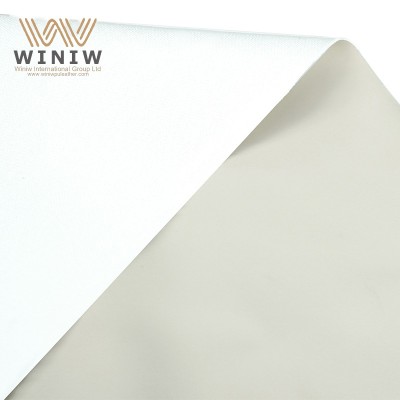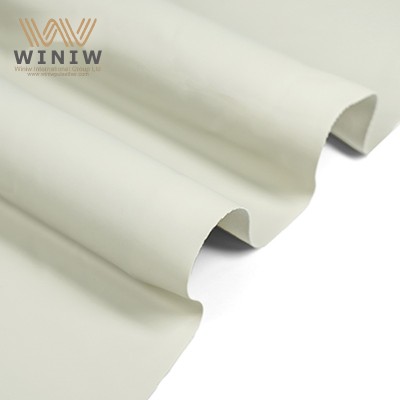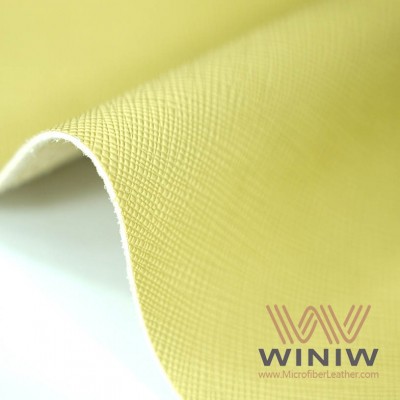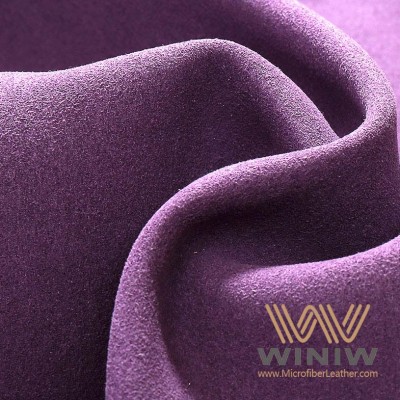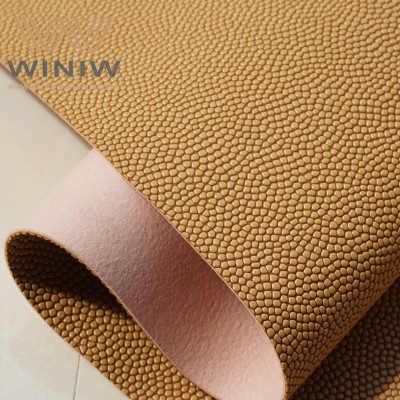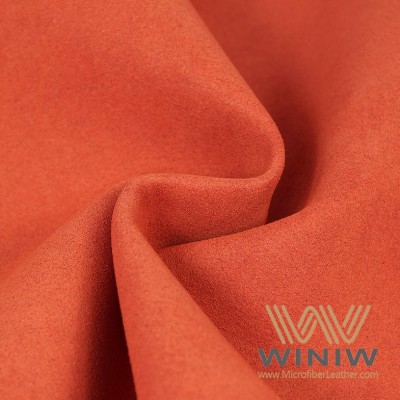
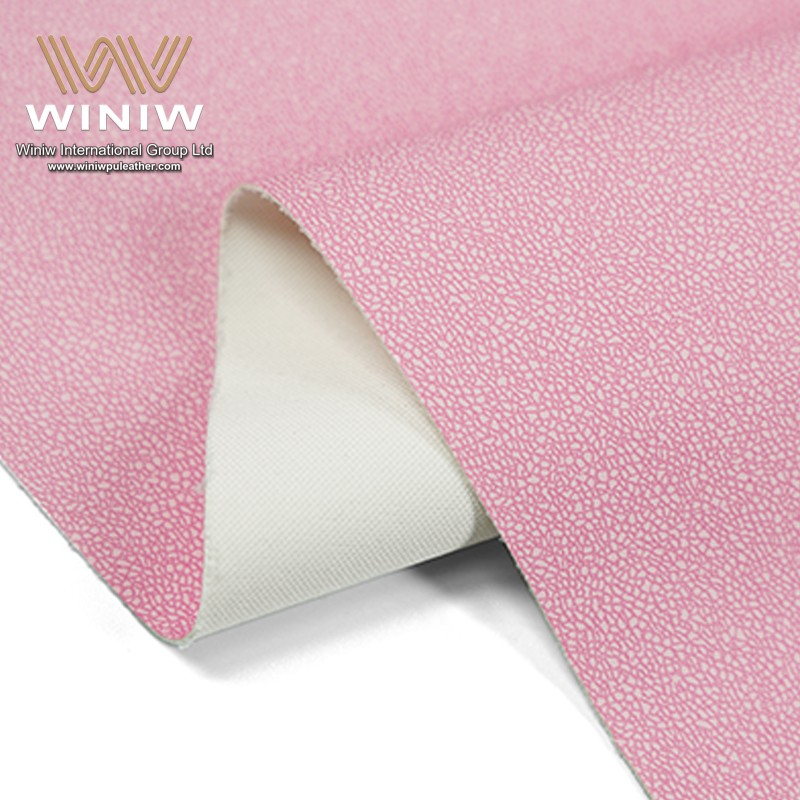
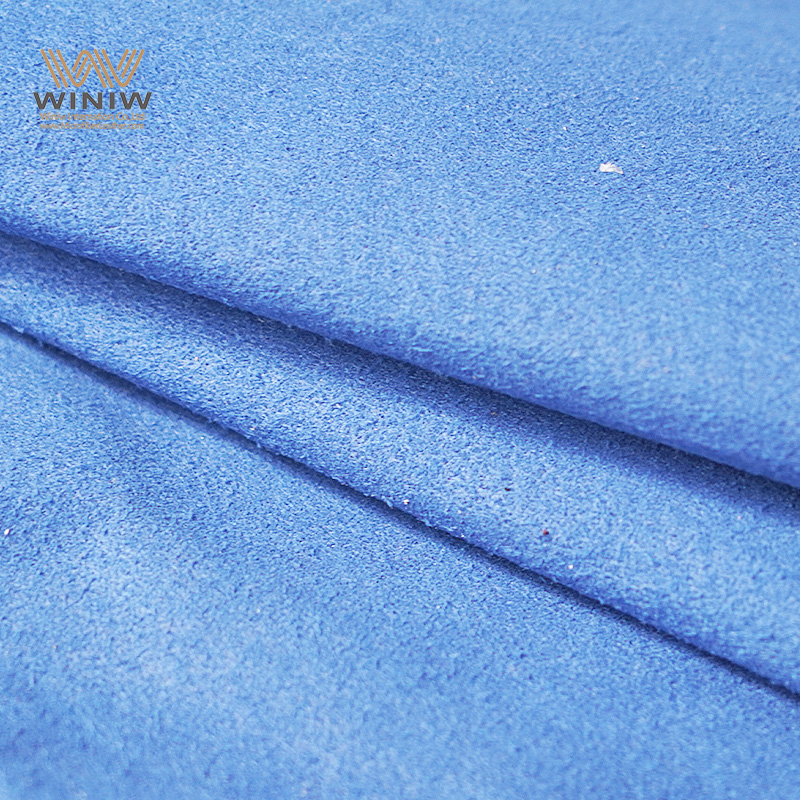
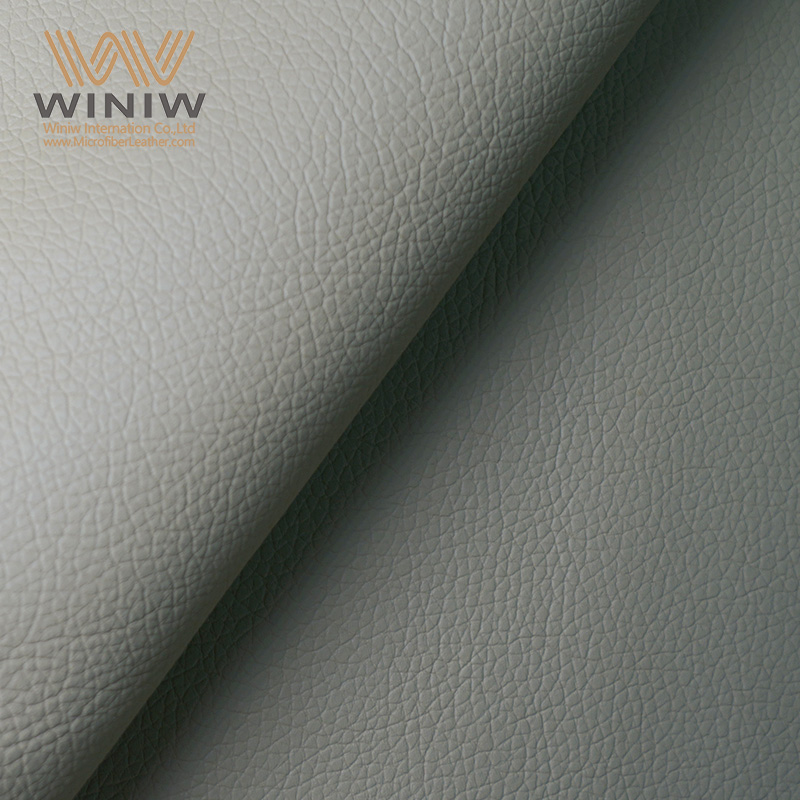
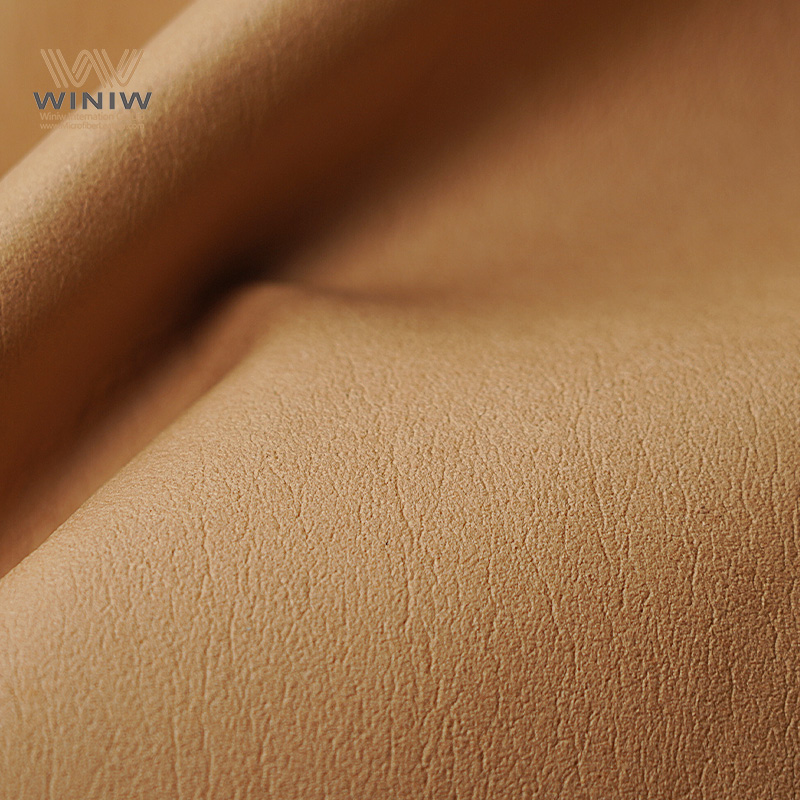
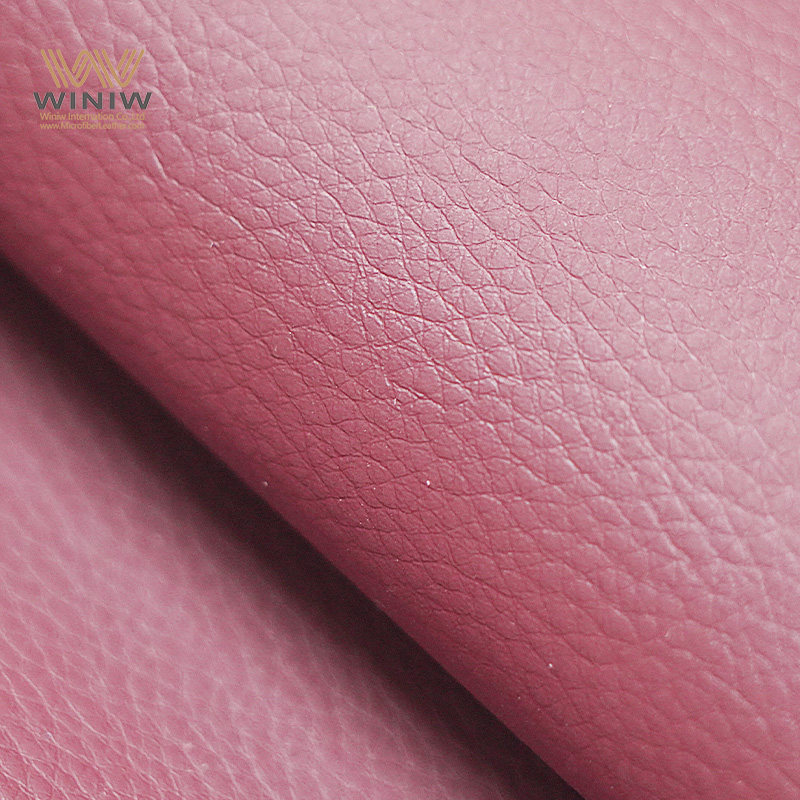
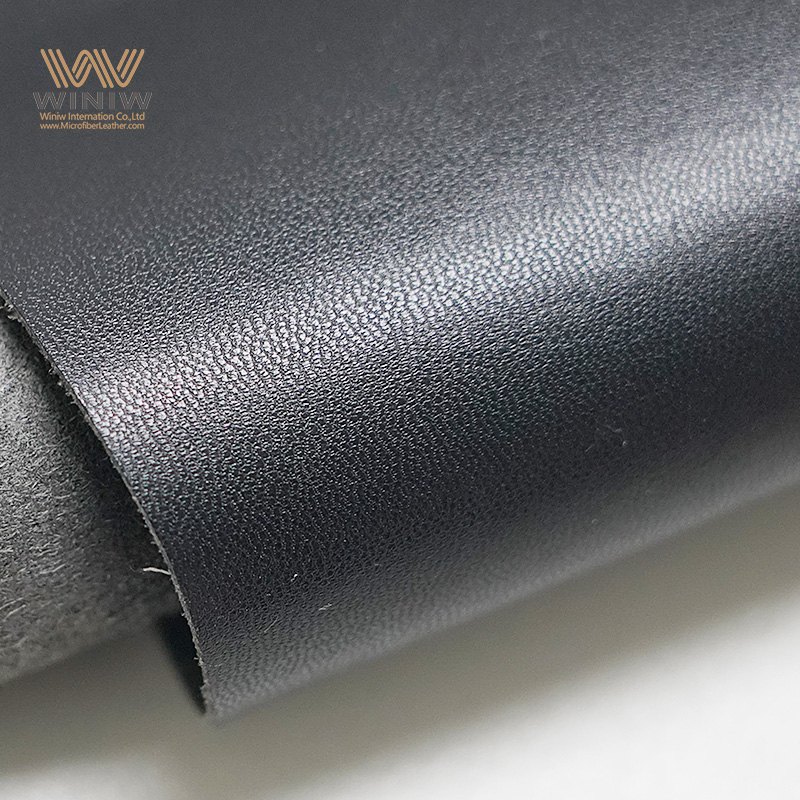
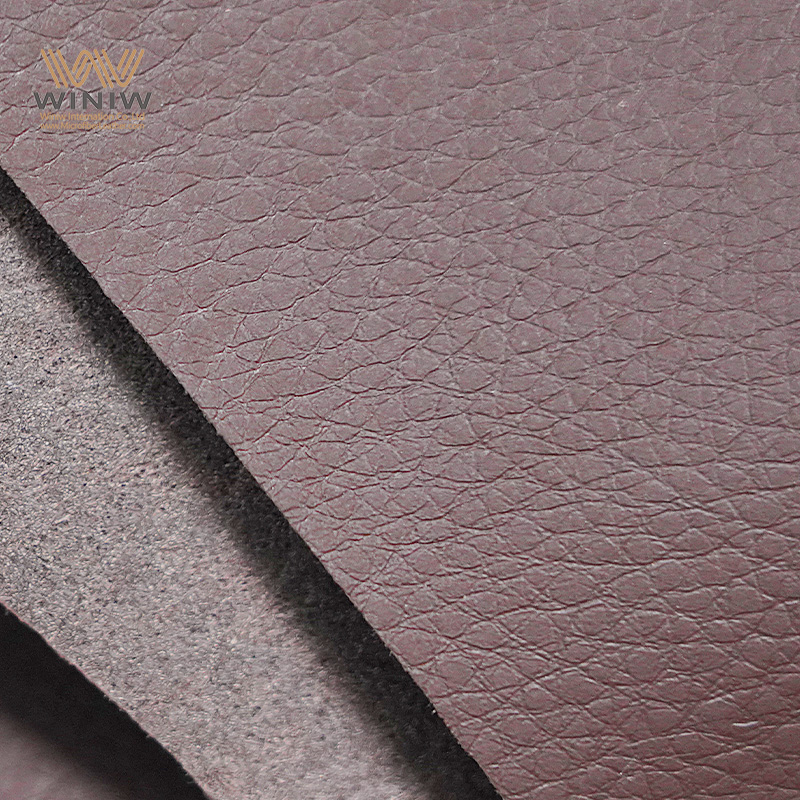
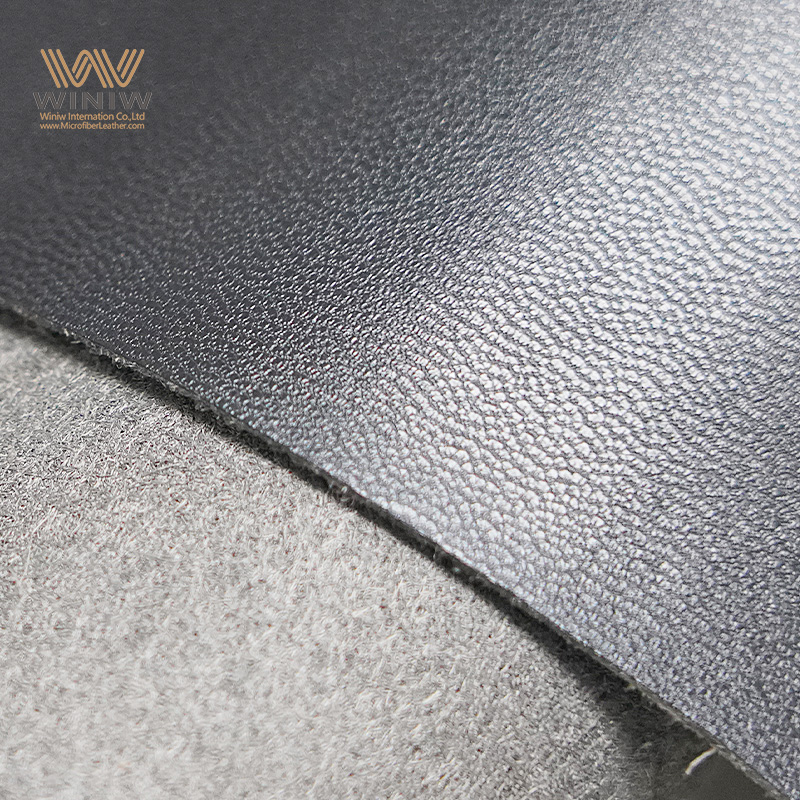
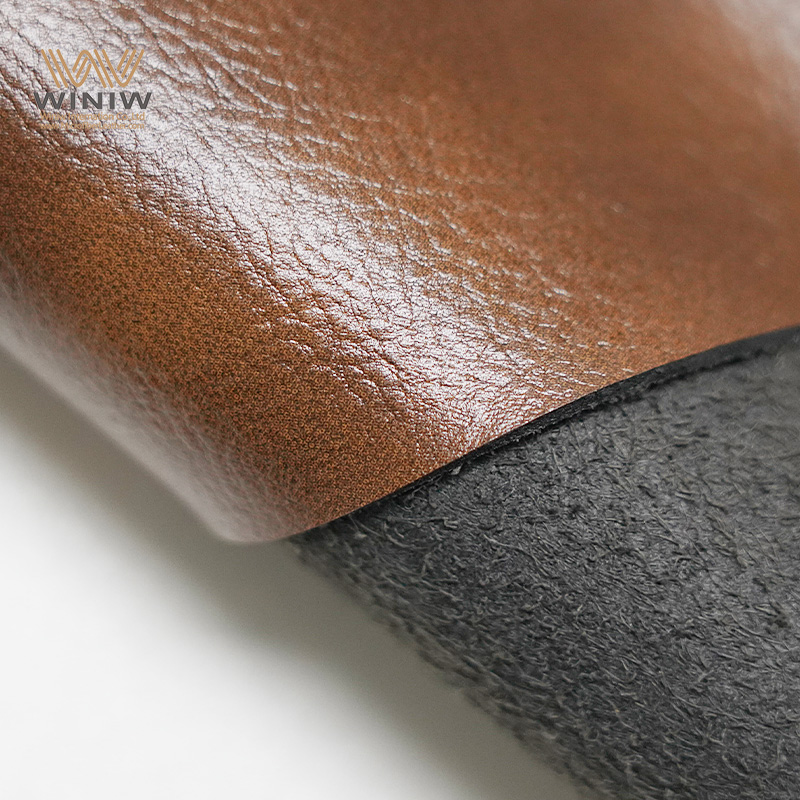
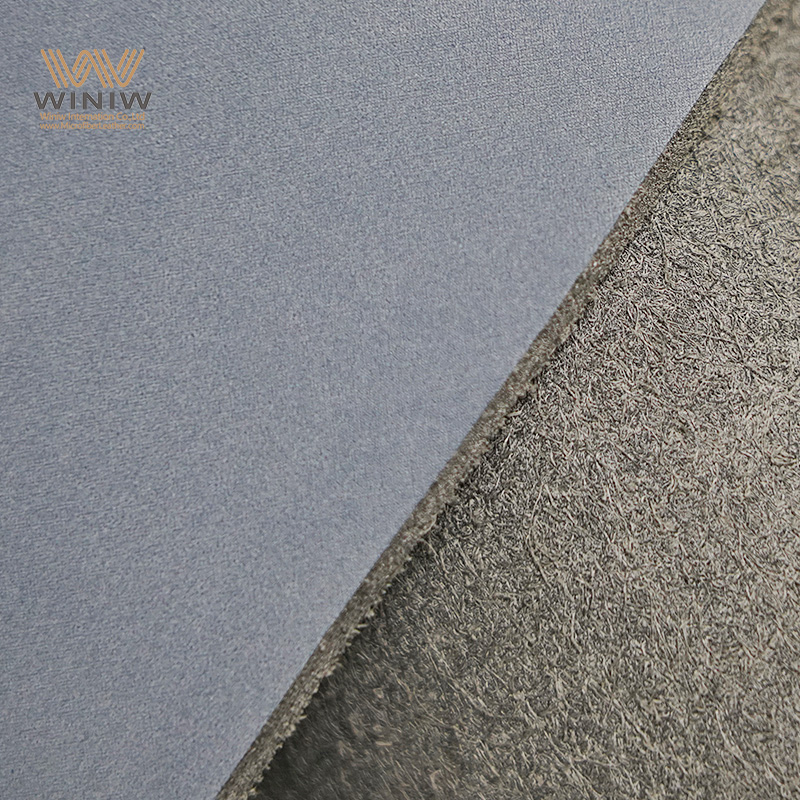
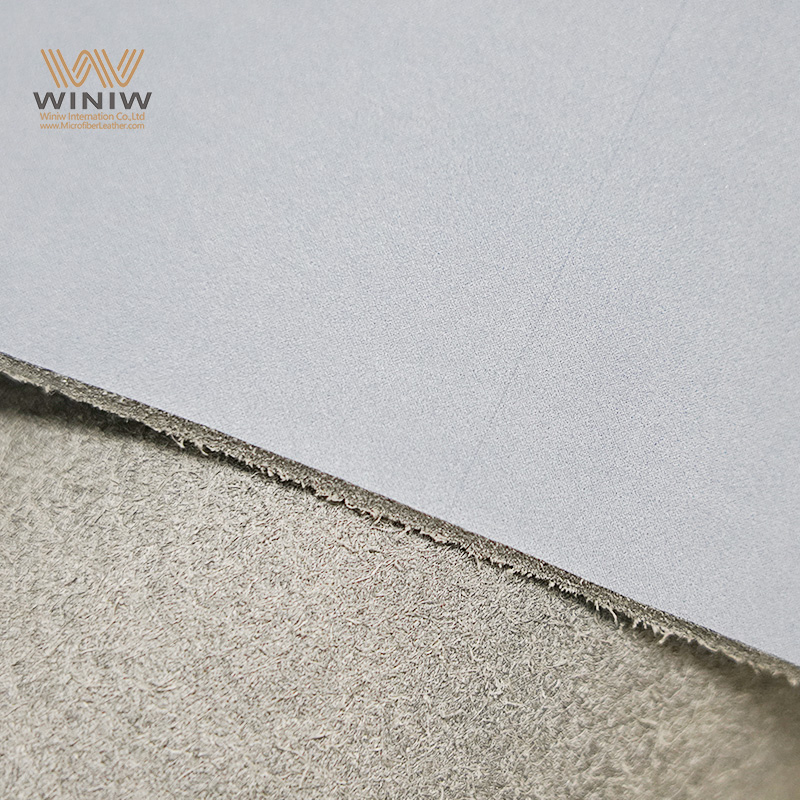
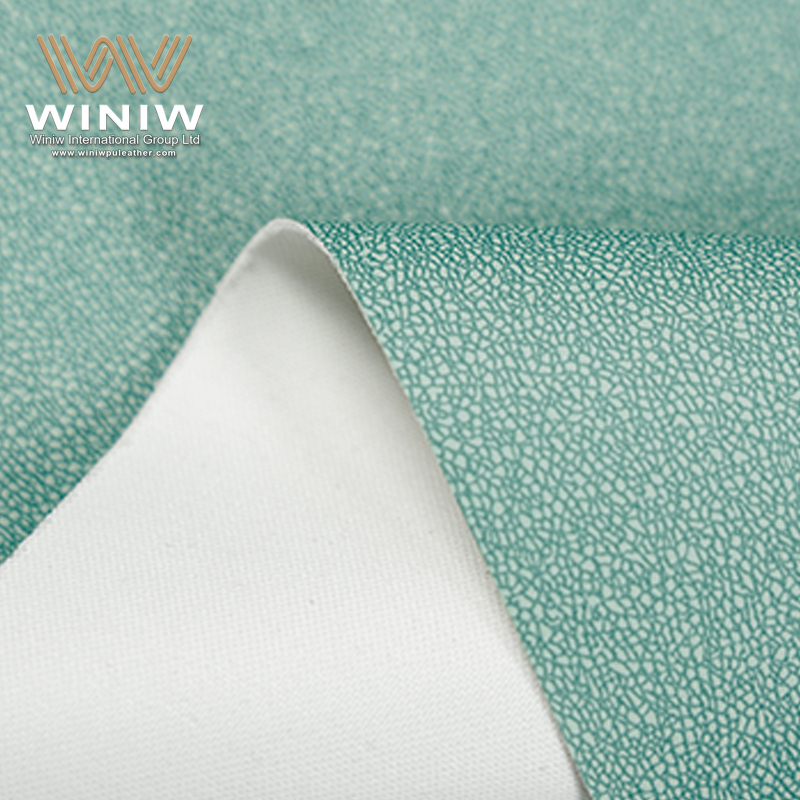
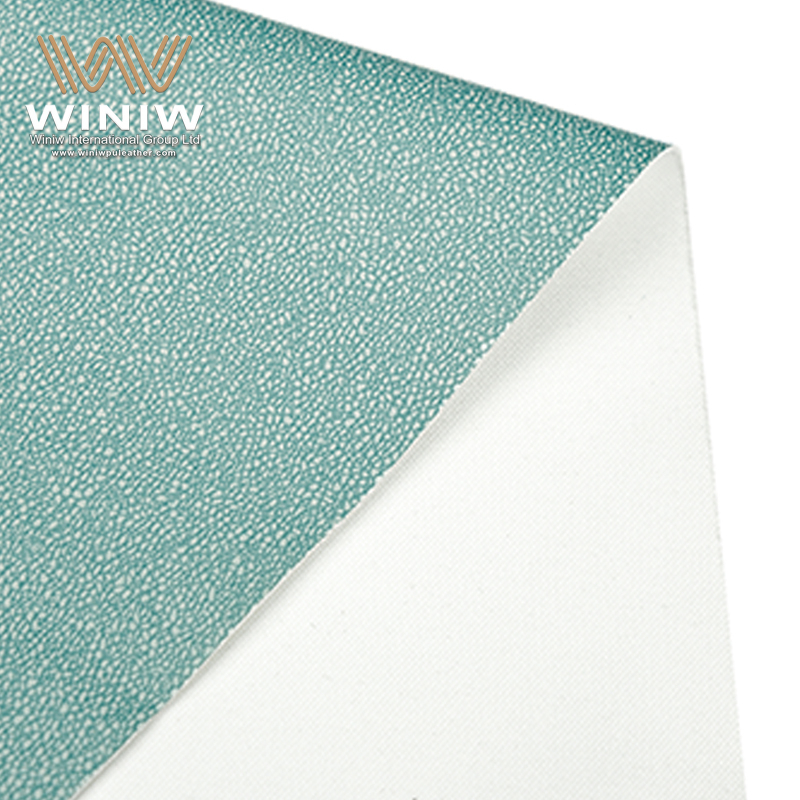
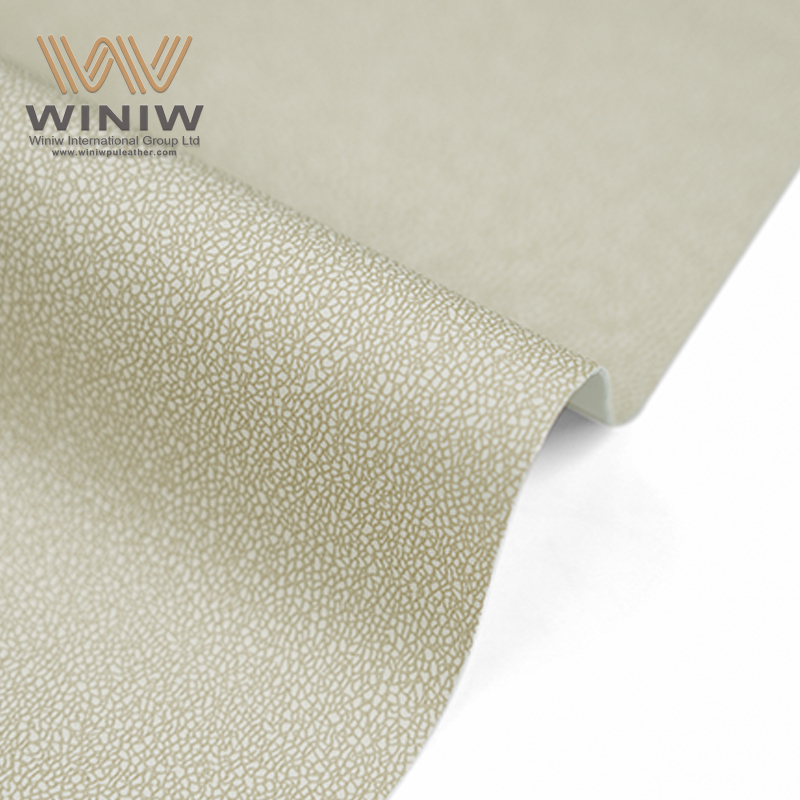
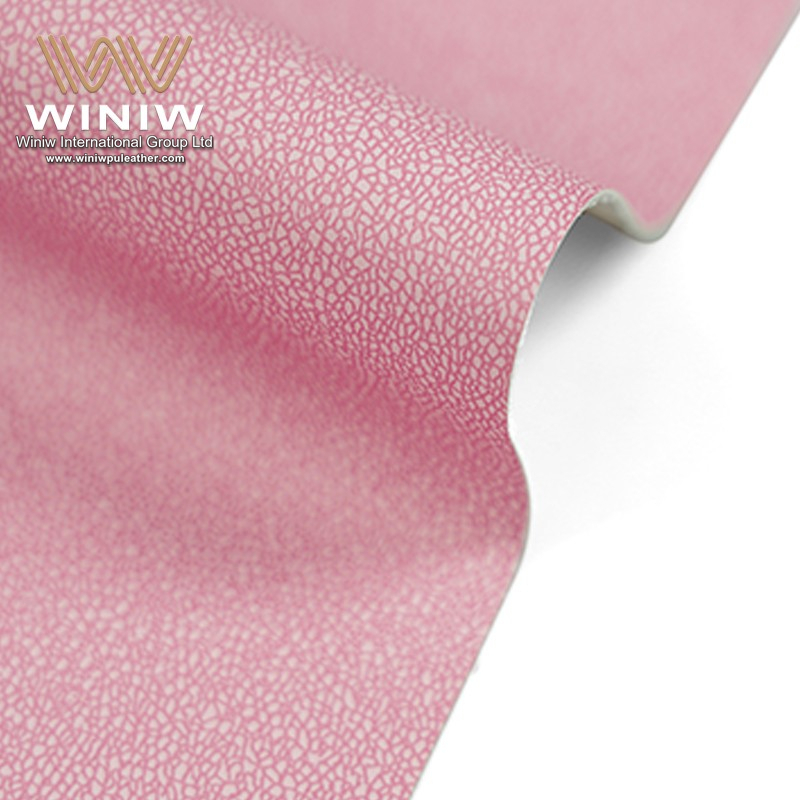
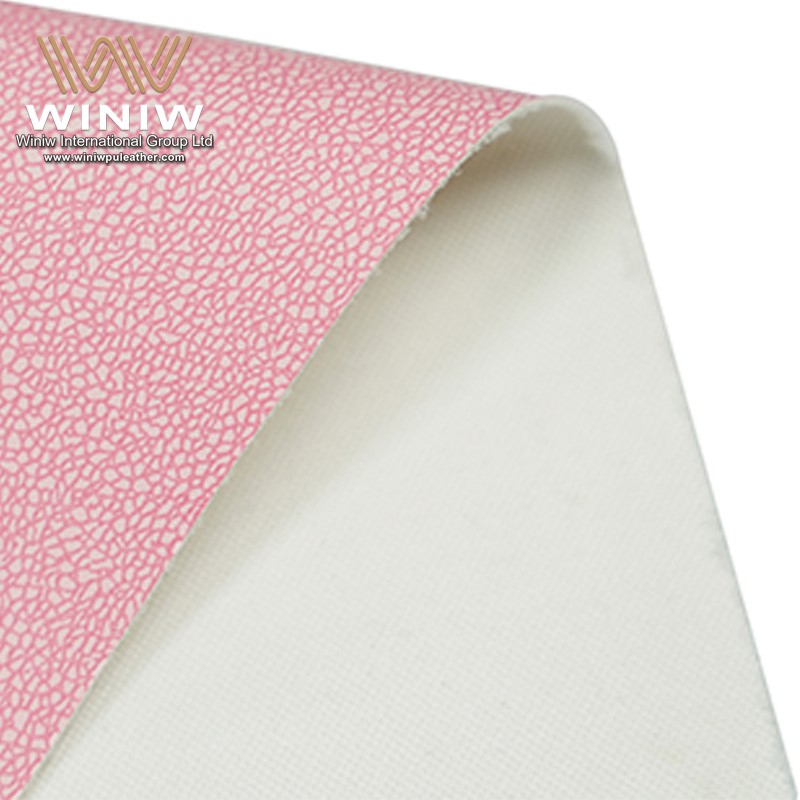
A jewelry box anti-tarnish lining is built as a stack: a 0.4 mm, 0.5 mm or 0.6 mm suede-finish microfiber face on a white nonwoven base, an active layer behind it, the box board, and the laminating adhesive. The 0.4 mm face suits a shallow lid with tight clearance, 0.5 mm a tray and ring roll, 0.6 mm a sheet wrapped over a board edge. We supply the face layer — 55% nylon / 45% PU, crackle emboss, 300 m minimum — and make no tarnish-absorption claim for the cloth itself: that comes from the layer composited behind it.
Материал :
Microfiber LeatherСостав :
55% Nylon / 45% PU, white nonwoven baseТолщина :
0.4 / 0.5 / 0.6 mmШирина :
137 cm (54")Цвет :
Custom — matched to swatch or Pantone referenceВремя выполнения :
Confirmed per orderПроизводственная мощность :
1,000,000 m / month (all product lines)Silver darkens because sulphur compounds in the air reach the metal surface. A lining that slows that down does not do it by being soft — it does it by putting something between the piece and the air that absorbs or neutralises those compounds, or by sealing the cavity. That is a separate layer from the cloth you see. An anti-tarnish lining for a jewelry box is therefore a specification of layers rather than a choice of fabric, and buyers who ask for one are specifying two things at once — usually bought from two different suppliers.
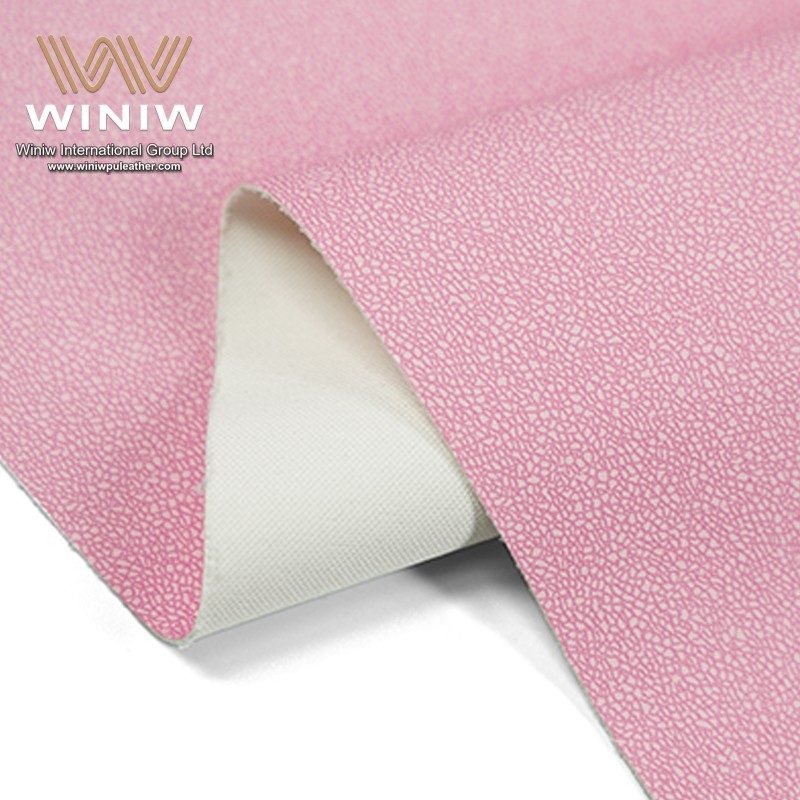
Three constructions account for most of the anti-tarnish boxes in production, and they behave differently enough that the choice should be made before the box drawing is fixed.
1 · Impregnated fabric layer
A textile carrier is treated with an active agent and laminated behind the face cloth or glued to the lid interior. It works while the agent is present and declines as the box is opened and closed. The face cloth and the active cloth are two separate purchases.
2 · Anti-tarnish paper or board
A sulphur-absorbing paper sits between the lining and the box board, or forms the tray floor. Cheap, easy to die-cut, and the layer most box makers already have in their supply chain. It adds nothing to the feel of the box, which is why the suede face still matters.
3 · Sealed cavity with a gasket
The lid closes against a soft lining that acts as a gasket, so the exchange of air is reduced rather than treated. This is the construction where the face cloth does the most work, because it has to compress enough to seal and recover enough to keep sealing.
In all three constructions the face layer has four jobs, and none of them is tarnish control. Getting this list right is what makes the difference between a lining that looks correct on the sample table and one that survives a year of use.
|
Layer / parameter |
Thickness, composition and format |
Supplier and order terms |
|
Face cloth |
0.4 / 0.5 / 0.6 mm suede-finish microfiber, 55% nylon / 45% PU, white nonwoven base, crackle emboss |
Us — 300 m minimum, cut or on the roll, lead time confirmed per order |
|
Active layer |
Impregnated textile, treated paper or board placed behind the face |
An anti-tarnish converter or paper merchant, not a fabric mill |
|
Box board |
Greyboard or MDF the whole stack is wrapped around |
The box maker; its thickness sets the fold radius the face must take |
|
Adhesive |
Web or liquid, applied to the nonwoven base and never to the face |
Applied by the box maker, or by us if the composite is ordered ready-laminated |
|
Gasket edge |
The band of face cloth compressed where the lid closes |
Decided on the box drawing, not on the fabric order |
There are two practical routes, and the choice usually comes down to who owns the box tooling rather than to the material itself.
Route one: the box maker buys the suede and the active layer separately, laminates them in-house and wraps the combined sheet. This keeps freight down and lets the active layer be swapped without changing the face, which matters when a customer changes the anti-tarnish specification but keeps the colour. It puts the bonding quality in the box maker's hands.
Route two: the suede is supplied already laminated to the carrier and slit to the wrap width, so the box maker receives one sheet. Fewer steps on their floor, but the active layer is now fixed at the point of order and cannot be changed mid-programme without a new roll.
Either way the critical point is the same: the adhesive goes on the nonwoven base, never on the face. Adhesive that migrates through a 0.4 mm suede shows as a hard, slightly darker patch that cannot be brushed out, and on a pale shade it is visible under shop lighting from a metre away. Our note on mildew-resistant covering material for jewelry box covers the same bonding logic for storage in humid climates.
Lamination is where a face cloth either becomes part of a functional lining or stays a decorative skin. Two processes cover most of the work: a flat-bed press with a pre-applied adhesive web, used for cut panels and short runs, and a continuous calender line with a nip roller, used when the composite is supplied on a roll. The press is more forgiving on small panels; the calender gives a more even bond across the full width, which is what a wrap line needs when the sheet is being run through at speed.
Whichever route is chosen, the number that matters is coat weight. Too little adhesive and the face lifts at the fold within a season; too much and it strikes through a 0.4 mm face as a hard, darker patch that no amount of brushing will lift. On a pale shade the strike-through is visible before the box is even wrapped, which is why a trial laminate on the actual board and the actual face thickness is the only reliable check — the same coat weight behaves differently on 0.4 mm and on 0.6 mm, and a web that suits one will over-wet the other.
Curing matters as much as coating. A composite that is stacked warm will block on the pallet, and the blocking shows up later as a flat, slightly glazed area in the middle of a lid. Let the sheet come down to room temperature before it is cut, and keep the cut panels flat rather than rolled — a panel that has taken a set from a roll will not lie down on a lid board without adhesive.
A face swatch on its own will not tell you whether a composite will work. Three checks on the A4 card, done in the order below, catch most of the problems before a roll is committed.
For a travel case the same checks apply with one addition — the lining has to survive being compressed in a bag, which is a different load from a lid closing on a hinge. Our note on travel jewelry case lining specifications sets out what to check when the box is expected to travel.
Most complaints about an anti-tarnish box trace back to one of three places, and only one of them is about the lining material.
The first is the box being sold as anti-tarnish when only part of the interior is covered. A treated lid over an untreated tray floor does very little, because the piece rests on the floor. The second is the active layer ageing out — an impregnated fabric has a working life, and a box that sat in a warehouse for two years before shipping starts its life already part-used. The third is moisture, which accelerates tarnishing independently of sulphur and is not addressed by any lining at all.
That is the reason we describe the face cloth by what it is rather than by what it might help with. A buyer who knows the stack is buying three components will ask the right questions of each supplier; a buyer who thinks one cloth does the job will find out at the customer complaint stage. If your programme needs the tarnish control documented, tell us the construction and we will state exactly which layer our material occupies.
What we can put in front of a customer audit for the face material is a REACH SVHC screening carried out by Intertek, report number SZHH01505701, issued at material level, with every candidate-list substance under the 0.1% reporting threshold. Read it as a statement about the cloth as tested. It is silent on the active layer, which is a separate component with its own paperwork, and we do not merge the two into a single certificate for the box.
Physical data follows the same rule. Light fastness and abrasion figures were earned on our automotive suede line under ISO 105 B02 and ISO 12947-2; those methods can be repeated on this face cloth, and the result would be issued for the batch actually ordered rather than borrowed from the other material. If the box specification names a tarnish test — a silver coupon in a sulphur chamber, a humidity cycle, a sealed jar with a desiccant — that test belongs to the finished assembly and to whoever supplies the active layer. Writing it into the fabric order is the usual mistake.
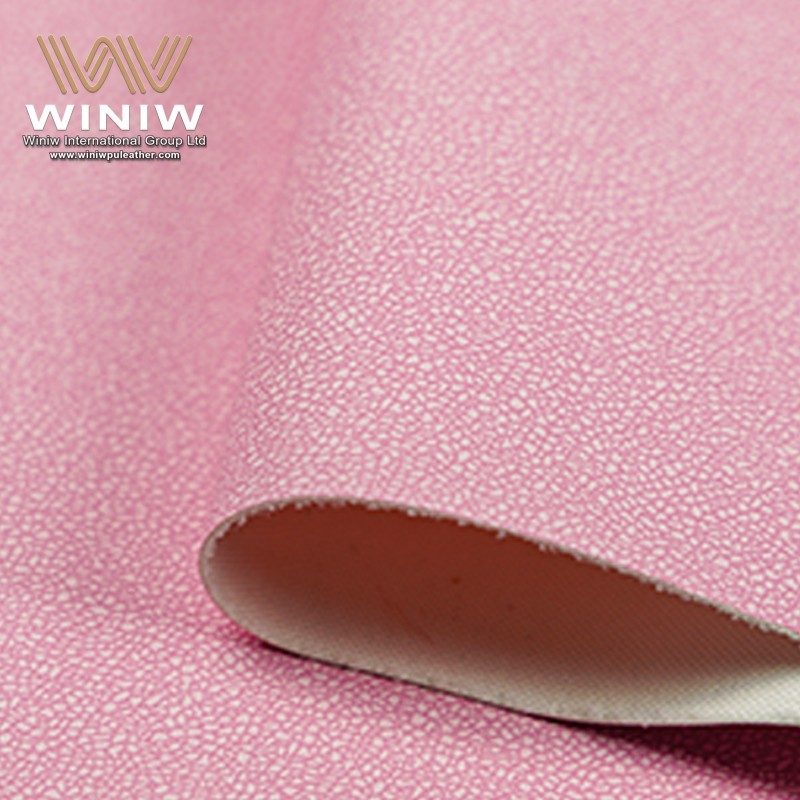
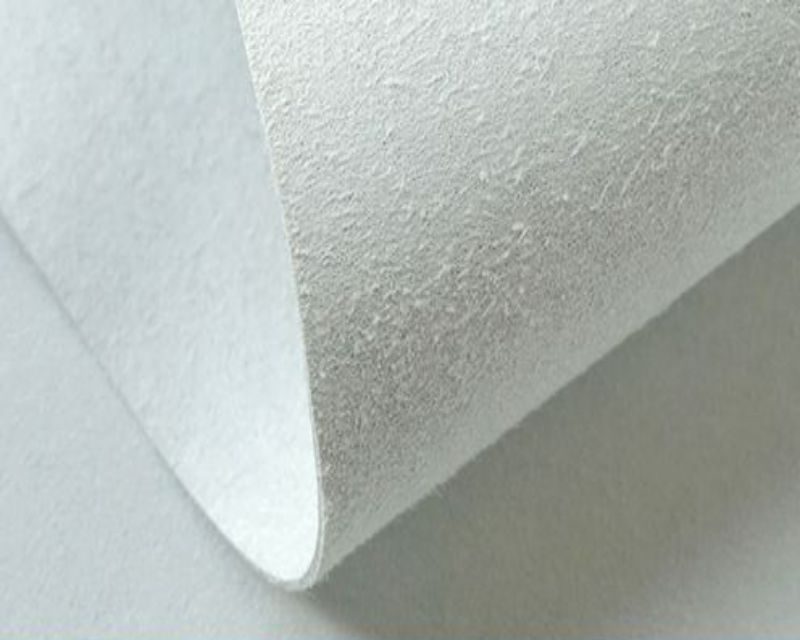
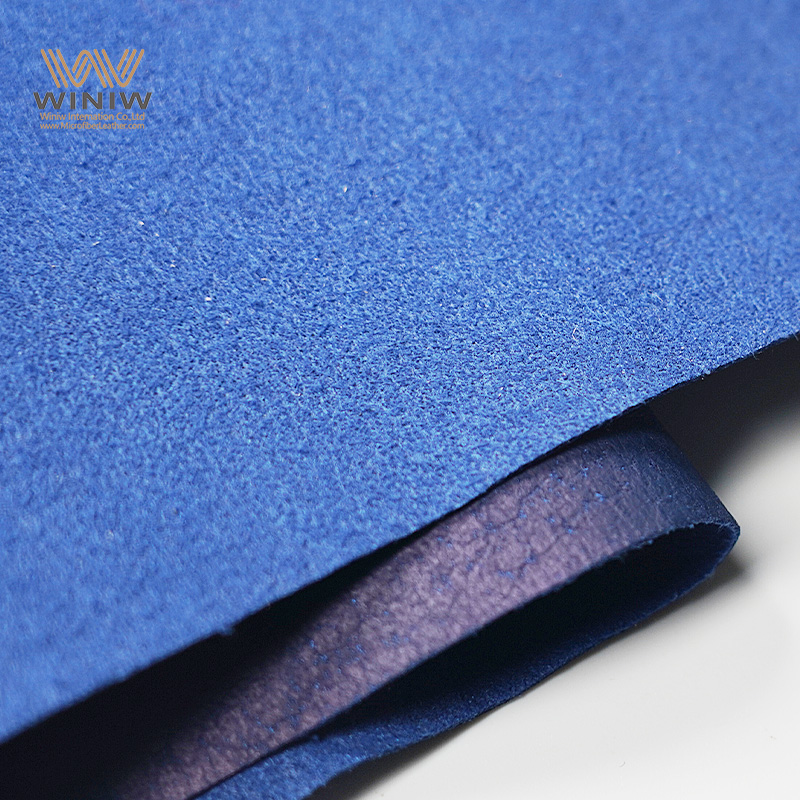
For a composite, the part of the cloth that does the work is the underside. A lid interior is judged from the outside and bonded from the inside, so the base has to behave predictably under an adhesive rather than look good on the sample card. That is the reason we keep an unpigmented needled base on this face: it wets out evenly, grips without a primer, and gives the laminating line a consistent surface to work against at 0.4 mm.
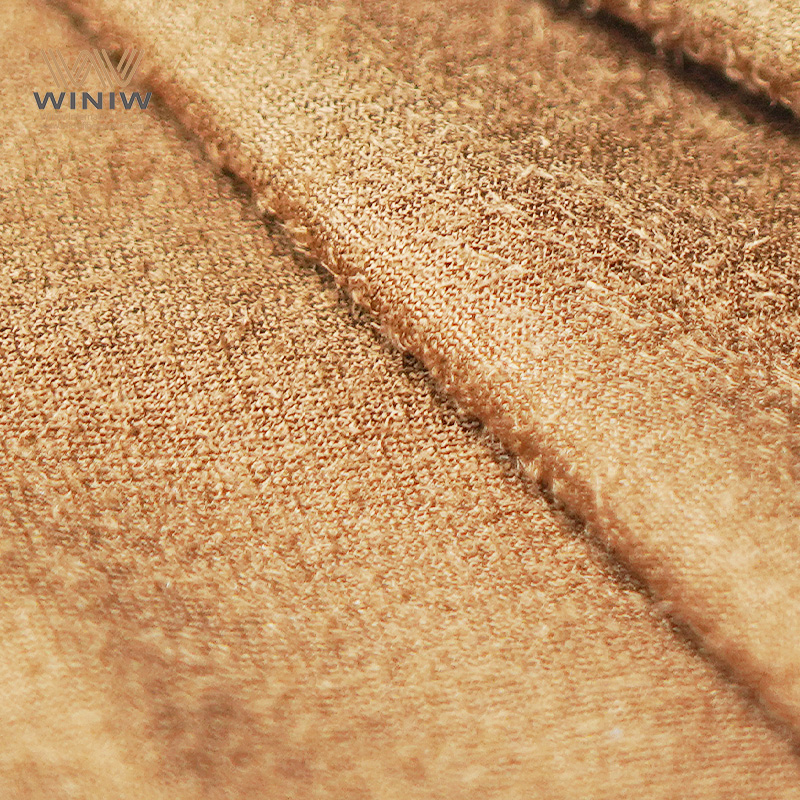
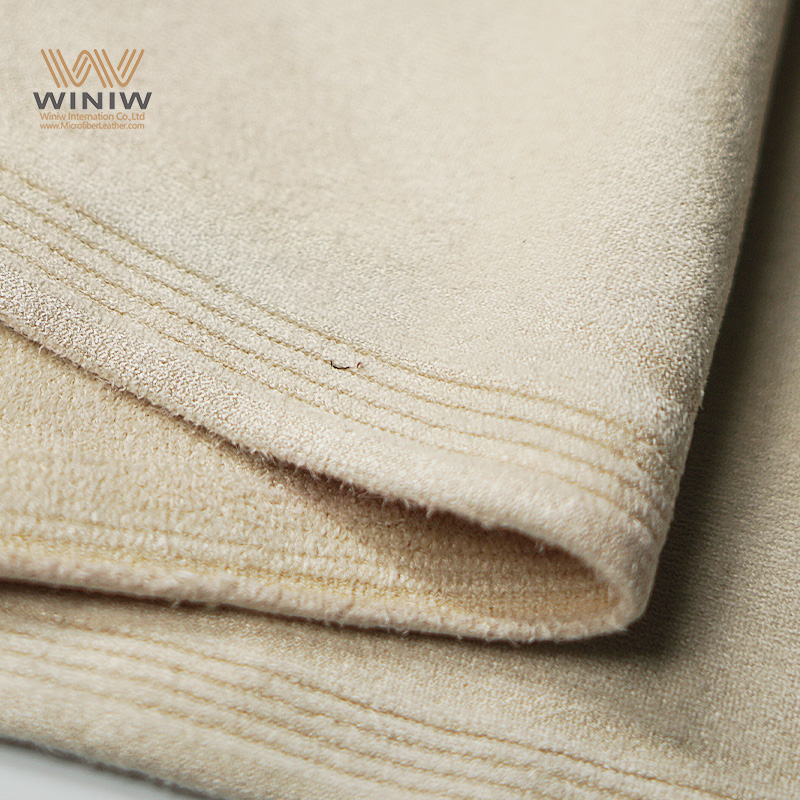
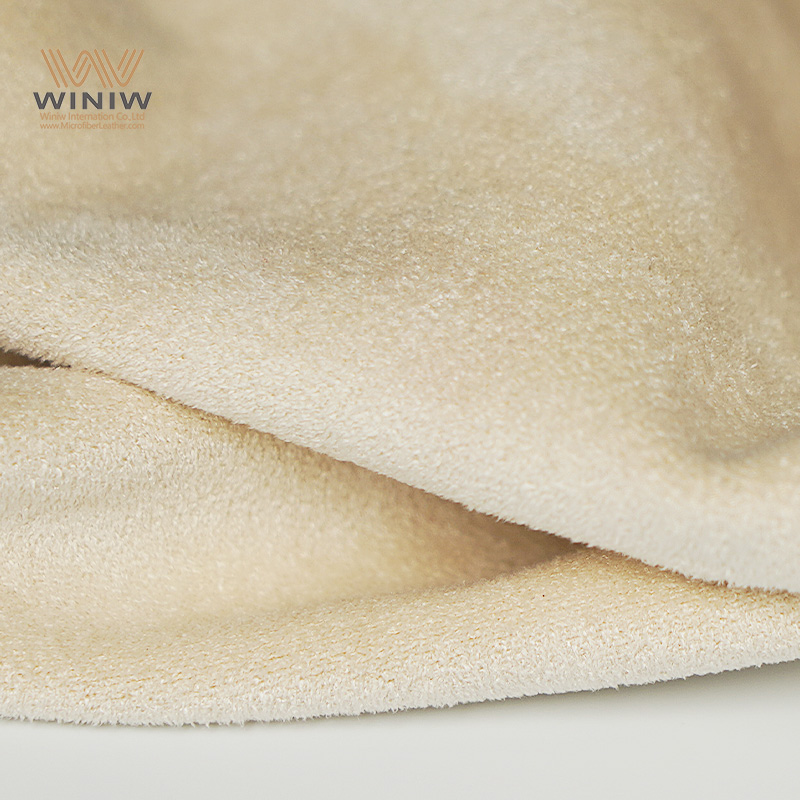
The face side is then set for a different requirement. A lid closes onto the lining hundreds of times, and a glazed surface marks at the first contact and keeps the mark. Ours is pressed shallow and left matte, so a contact point reads as a slight polish rather than as a scuff, and a customer opening the box in a shop does not see a ring where the clasp sits. Pressure and roll temperature during that pass decide whether the crackle reads as fine pearl grain or as a coarse web — the difference shows up between the lid and the tray, which is the one comparison a buyer always makes.
Does this suede itself prevent tarnishing?
No, and we do not claim that it does. The suede is the face layer: it protects the piece from scratching, does not shed onto it, and takes the fold a lid interior needs. Tarnish control comes from the active layer behind it, or from sealing the cavity — different components, usually different suppliers.
Can you laminate the suede to an anti-tarnish paper for us?
We can quote the face cloth laminated to a carrier and slit to your wrap width, or supply the cloth alone so your box maker laminates it. Which route is cheaper depends on volume and on how often the specification changes — if the active layer is likely to change mid-programme, keep the lamination on your own floor.
What thickness should the face layer be in a shallow box?
0.4 mm where the lid board is thin and the clearance is tight, 0.5 mm for a tray and a ring roll, 0.6 mm only where the sheet is wrapped over a board edge and has to hold a firm fold. Adding an active layer takes up clearance, so specify the face thickness after the stack is decided, not before.
How long does an impregnated active layer stay effective?
That depends on the agent and on how the box is stored, and it is the active-layer supplier's number to state, not ours. What we can say is that the clock starts before the box reaches the customer: a lining that sat two years in a warehouse has less working life left than one shipped straight off production. Ask for the shelf life in writing and date the cartons.
Does the lining have to cover the tray floor as well as the lid?
Yes, if the claim is about the box rather than the lid. A piece rests on the tray floor, so a treated lid over an untreated floor does very little. The usual construction covers the lid, the tray floor, the ring roll and the inside of the lid — which is also the only version that survives a customer opening the box in a shop.
Building an anti-tarnish box? Start with the stack.
Send the box drawing, the lid board thickness and the construction you intend — impregnated layer, paper, or sealed cavity. We will come back with the face thickness that fits the clearance, the laminate route that suits your volume, and an A4 card of the crackle grain in the shade you are matching. Sample requests go through our contact page.
Request a Sample →ГОРЯЧИЕ ТЕГИ :





































Business Phone : +8618150976625
E-mail : Hello@MicrofiberLeather.com
Mobile & WhatsApp : +8618150976625
Адрес : W6-302 Shimao Manhadun Shuanglong Road, Jinjiang Quanzhou Fujian China



© Авторские права 2022 Винив Интернэшнл Ко., Лтд..Все права защищены.
XML | Политика конфиденциальности |